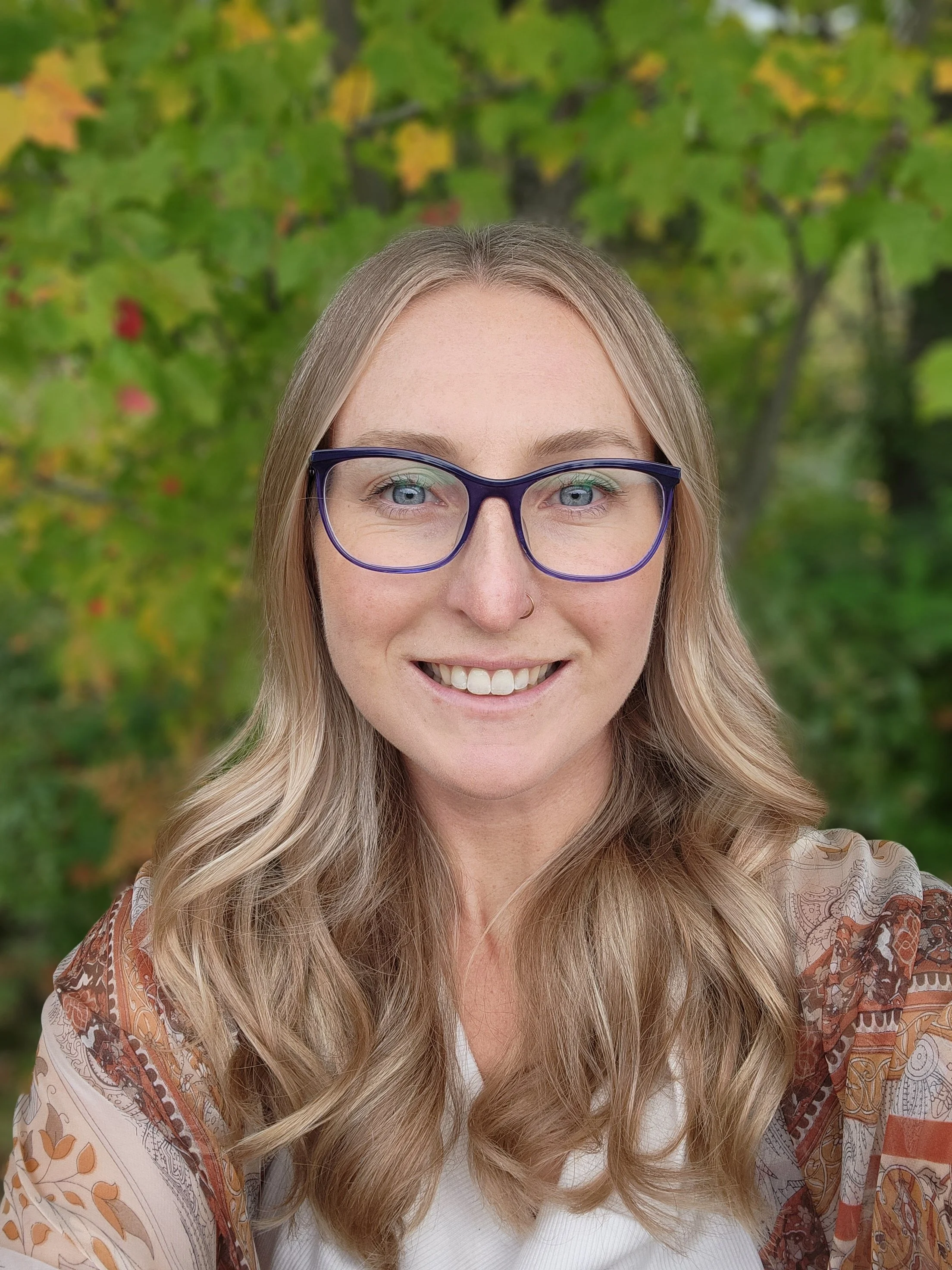
Cheryl Oxford
Meet Cheryl Oxford (she/her), a Registered Psychologist specializing in holistic, trauma-informed care. As a multi-minded practitioner, she views the mind not as a single entity, but as a dynamic system of different parts; each one deserving of compassion, curiosity, and understanding. By blending mind-body and psycho-spiritual frameworks, Cheryl supports her clients in achieving deep, transformative healing.
Areas of Specialty Cheryl's primary focus is working with individuals seeking to heal from the ongoing impact of unresolved trauma. She provides a safe, supportive environment to navigate challenges including:
Loss of sense of Self - “Who am I?”
PTSD & trauma-related disorders
Chronic pain and illness (e.g., IBS, Fibromyalgia)
Addictive processes
Interpersonal and relationship difficulties
Mood and anxiety disorders
Complicated grief
Her Approach to Therapy Healing from trauma is a journey, and Cheryl grounds her practice in the established three-phase model of trauma treatment (safety and stabilization, processing, and integration). To tailor therapy to your unique needs, she integrates a robust toolkit of evidence-based modalities, including:
Eye Movement Desensitization and Reprocessing (EMDR)
Internal Family Systems (IFS)
Mindful Self-Compassion (MSC)
Dialectical Behaviour Therapy (DBT)
Acceptance & Commitment Therapy (ACT)
Ecotherapy & Adventure Therapy
Cheryl offers group therapy services in addition to individual therapy. She is a certified yoga teacher (RTY-200) and integrates trauma-informed yoga as a somatic tool in her clinical practice.
She fosters healing through trust, sincerity, and evidence-based & complimentary practices. In her free time, Cheryl enjoys rock hounding, swimming, hiking with her dogs, diving, and practicing yoga.


Marine Decaillet
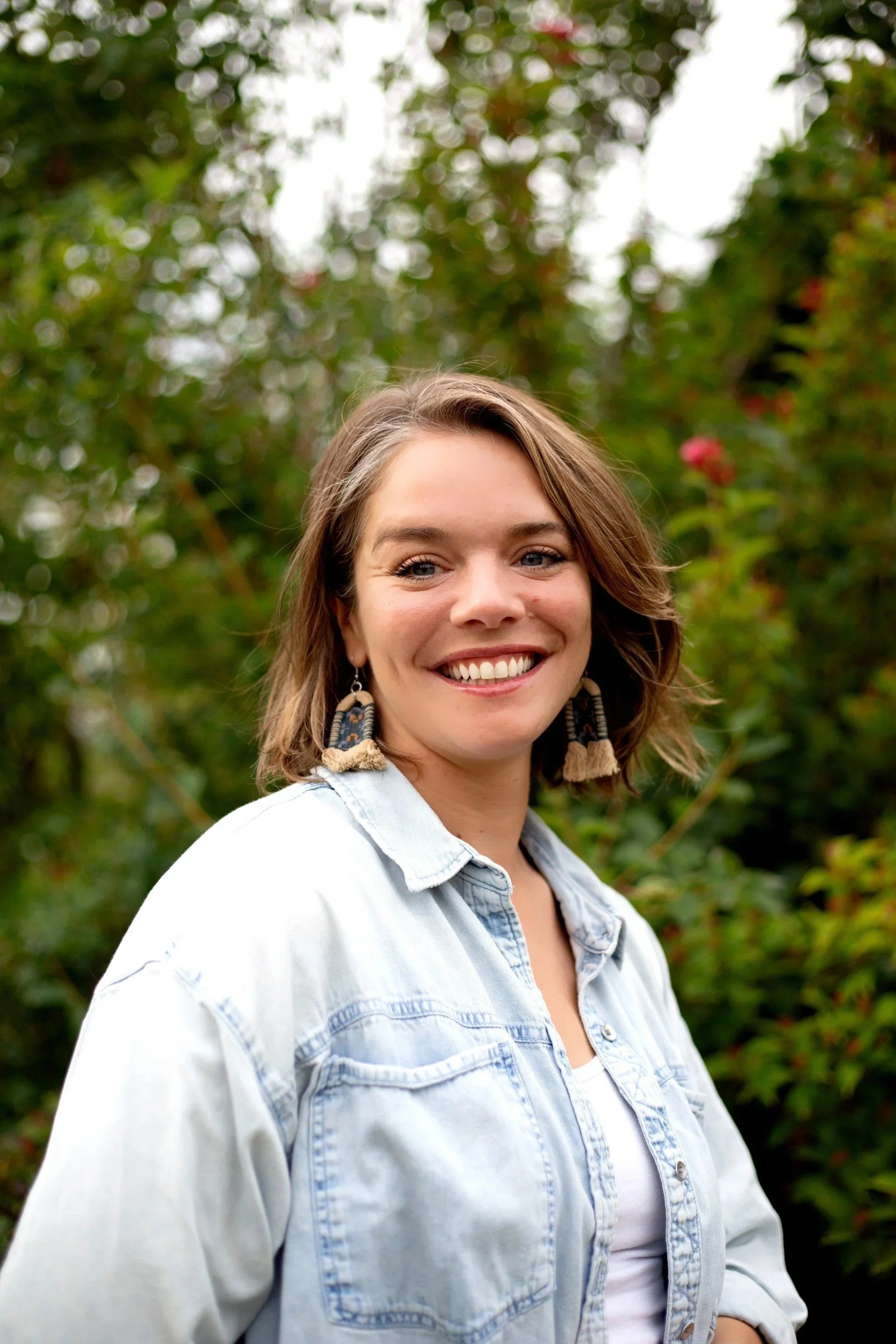
Marine Decaillet (she/her) is a Registered Counselling Therapist-Candidate (RCT-C) and a graduate of the Master’s in Counselling program at Acadia University. She views individuals as complex, multifaceted beings, shaped in relationship with the broader systems in which they live. She meets clients with genuine curiosity, non-judgment, and encourages self-compassion, which she sees as the foundation of healing.
Marine also holds a Master’s degree in cultural anthropology from the university of Bordeaux, France, which she applied for several years as a public servant in international development before training as a therapist. This background continues to shape how she works today: Marine brings a systemic, multicultural and anti-oppressive approach to an inclusive practice.
Areas of Focus Marine’s work centers on helping individuals from acute and complex trauma. Through her certifications and practicum training she has gained experience supporting survivors of gender-based and sexualized violence as well as individuals navigating :
Complex and childhood developmental trauma
Complicated grief
Interpersonal & Relationship difficulties (including singlehood & relational diversity)
Anxiety & Panic disorders
Dissociative disorders
Depression & Mood disorders
Approach to Therapy Marine understands that healing from trauma is a non-linear process; she adopts a triphasic model of trauma treatment tailoring her approach to each person drawing from various evidence-based modalities, including :
Acceptance and Commitment Therapy (ACT)
Dialectical Behaviour Therapy (DBT)
Internal Family Systems (IFS)
Attachment-based therapy
Somatic approaches
Mindfulness-based therapy
Narrative therapy
Adventure therapy
Marine aims to foster growth and healing, through trust, unconditional positive regard, and compassion. Outside the therapy room, she is an avid traveller and adventurer who loves surfing, writing and the outdoors.
Marine is currently providing telehealth-only services in both English and French.
Did you know that the link between childhood adversity and a future psychiatric disorder is about as strong statistically as the link between smoking and lung cancer? (Bentall, 2018)
Did you know that difficult and stressful life experiences, especially those from early development, contribute to patterns of tension & disconnection in the body? (Schwartz, 2024)
Are you aware that emotional injury incurred during development can have physiological consequences, even without abuse or neglect? (Maté, 2024)
